








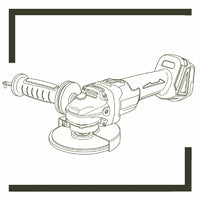

Some cutting jobs are simple. Others require a tool that can handle tough materials, awkward angles, and hard-to-reach areas. That’s where a cordless reciprocating saw makes a difference.
With its powerful cutting action and versatile blade options, a reciprocating saw can help you complete everything from home repairs to demolition projects more efficiently.
If you often find yourself facing difficult cutting tasks, this tool may be exactly what your toolbox is missing.
What a Cordless Reciprocating Saw Is Used For?
A cordless reciprocating saw is a powerful cutting tool that uses a back-and-forth blade motion to cut through different materials. With the right blade, it can handle a wide range of applications, including:
- Demolition work: Cutting through wood, drywall, nails, and old construction materials
- Home repairs: Removing damaged boards, cutting pipes, and replacing materials
- Metal cutting: Cutting metal pipes, brackets, and other metal components
- Wood cutting: Cutting lumber, boards, and other wooden materials
- Yard maintenance: Trimming branches, shrubs, and small logs
- Tight-space cutting: Reaching areas where larger saws cannot easily work
With different blade options, one reciprocating saw can handle multiple types of projects.
Why You Need a Reciprocating Saw?
1. Versatile Cutting Performance
A battery operated reciprocating saw can cut through wood, metal, plastic, and more by simply changing the blade. This makes it a practical choice for users who need one tool for different materials.
2. Great for Demolition and Tough Jobs
Unlike tools designed only for clean, precise cuts, milwaukee reciprocating saws are built for heavy-duty tasks. They can quickly cut through old materials, making remodeling and repair projects much easier.
3. Works in Hard-to-Reach Areas
The compact design allows you to cut in tight spaces, around pipes, and in areas where traditional saws may not fit.
4. Saves Time and Effort
The powerful motor and fast blade movement help you complete cutting tasks faster compared with manual tools.
5. Cordless Convenience
Cordless reciprocating saws provide better mobility, allowing you to work anywhere without being limited by power outlets or extension cords.
Who Should Own a Reciprocating Saw?
DIY Homeowners
A reciprocating saw is useful for home improvement projects, repairs, furniture building, and general maintenance.
Garden Enthusiasts
With a pruning blade, it can make trimming branches and outdoor cleanup faster and easier.
Contractors and Professionals
Construction workers, plumbers, electricians, and remodelers can benefit from its cutting power and versatility on job sites.
Anyone Who Wants a Versatile Power Tool
If you often work on different projects and need a tool that can handle various materials, a reciprocating saw is a valuable addition to your toolbox.
A reciprocating saw is a reliable solution for tough jobs, quick repairs, and challenging cuts. Its versatility, portability, and ability to handle different materials make it a valuable tool for DIYers, homeowners, and professionals alike.
If you frequently face cutting tasks that require power and flexibility, adding a reciprocating saw to your toolbox can help you work faster and more efficiently.
