








Looking for the right chainsaw for your yard?Whether you’re trimming backyard branches or tackling logging jobs. In this 2026 chiansaw buying guide, we’ll help you understand chainsaw sizes, types, power options, and key features so you can choose the right chainsaw for your yard.
1. Chainsaw Sizes
One of the most important factors when choosing a chainsaw is the bar length. The bar is the metal guide that the chain moves around, and its length determines the size of wood the chainsaw can handle.
Chainsaws typically range from compact 6-inch models to heavy-duty 20-inch+ models. Choosing the right size depends on the type of work you plan to do.
Best Chainsaws for Trimming Small Tree Branches
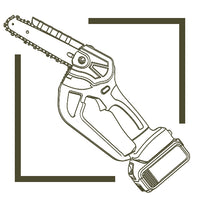
For regular yard maintenance, a small chainsaw is often the best choice. If your main tasks include trimming branches, pruning trees, cutting small logs, or clearing storm debris, a compact chainsaw with a 6-inch to 12-inch bar can handle the job easily.
Small chainsaws are lightweight, easy to control, and more comfortable for longer trimming sessions. They are especially useful for homeowners who only need occasional cutting around the yard.
Best Chainsaws for Cutting Firewood and Larger Trees
If you regularly cut firewood, remove larger trees, or handle thick branches, you will need a more powerful chainsaw with a longer bar.
Chainsaws with a 14-inch to 18-inch bar are popular choices for homeowners who need more cutting capacity. They provide enough power for medium-sized trees while remaining manageable for everyday yard work.
For larger trees or professional-level tasks, a 20-inch or longer bar may be necessary. These chainsaws offer more cutting depth but are heavier and require more experience to operate safely.
Choosing a Chainsaw Size
When selecting a chainsaw size, consider the following questions:
What will you cut most often?
Small branches require a compact chainsaw, while large logs require a longer bar.
How often will you use it?
For occasional yard work, a lightweight model is usually more practical. Frequent users may benefit from a more powerful chainsaw.
How comfortable are you using heavier tools?
A larger chainsaw can cut faster, but it also requires more strength and control.
2. Types of Chainsaws
Chainsaws come in several different power types. Each option has its own advantages depending on your yard size, cutting needs, and personal preference.
Electric Chainsaws:
Powered by rechargeable batteries, cordless chainsaws provide the freedom to work anywhere without needing an electrical outlet. They start quickly with the push of a button, operate more quietly than gas-powered models, require less maintenance, and produce no fuel emissions, making them a cleaner, simpler, and more user-friendly choice for homeowners.
- Corded Chainsaws
Corded electric chainsaws are powered through a standard electrical outlet. They provide consistent power as long as they remain connected to electricity.
Gas Chainsaws
Gas chainsaws have traditionally been the choice for heavy-duty cutting. They provide strong power and are commonly used for large trees, thick logs, and professional applications.
They are ideal for extended use where maximum cutting power is required. However, gas models typically require more maintenance, including fuel mixing, engine care, and regular cleaning, while also producing more noise and emissions than electric alternatives
Pole saw chainsaws are designed specifically for cutting high branches without using a ladder. They feature an extended pole that allows users to reach overhead branches safely from the ground.
While they are not intended for cutting large logs or heavy-duty tasks, their extended reach and easy handling make them an excellent choice for regular pruning and keeping trees healthy and well-maintained.
3. Chainsaw Power
Power determines how quickly and efficiently a chainsaw can cut through wood. Different types of chainsaws measure power in different ways:
- Voltage (V) for cordless chainsaws - Higher voltage generally provides more cutting power, making the chainsaw better suited for thicker branches and tougher wood.
- Amps (A) for corded chainsaws - A higher amp rating indicates a stronger motor that can handle more demanding cutting tasks.
- Motor wattage for electric chainsaws - Higher wattage means the motor can deliver more power and improved cutting performance.
-
Engine size (cc) for gas chainsaws - A higher cubic centimeter (cc) rating usually indicates a more powerful engine, providing better performance for heavy-duty cutting, large trees, and extended use.
4. Chainsaw Features
Tool-Free Chain Adjustment
A tool-free chain tensioning system allows you to quickly tighten or adjust the chain without additional tools. This saves time and keeps your chainsaw performing smoothly.
Automatic Chain Lubrication
An automatic oiling system keeps the chain properly lubricated during operation, reducing wear and improving cutting performance.
Safety Brake
A chain brake is an important safety feature that quickly stops the chain if kickback occurs.
Lightweight Design
A lighter chainsaw reduces arm fatigue, especially during trimming jobs that require holding the tool for longer periods.
Ergonomic Handle Design
Comfortable grips and balanced weight distribution make the chainsaw easier to control and reduce vibration during use.
Selecting the right chainsaw starts with understanding your specific needs, including the size of your yard, the type of cutting tasks, and how frequently you plan to use it. By evaluating factors like bar length, power source, cutting performance, and useful features, you can choose a chainsaw that improves efficiency and makes outdoor projects more manageable. With the right tool, everything from pruning branches to cutting larger logs becomes easier and more convenient.
