










Whether you're working on a metal roofing project, modifying a metal panel, or handling a DIY repair, cutting sheet metal can be more challenging than it looks. The right tool can make the job easier, especially when you need clean cuts or have a lot of material to work through. So, which sheet metal cutter should you choose?
1. Know Your Sheet Metal Cutting Tools
Different tools are designed for different cutting tasks.
Aviation Snips are a simple choice for cutting thin sheet metal by hand. They're useful for small projects, short cuts, and trimming around corners, but repeated cutting can become tiring.
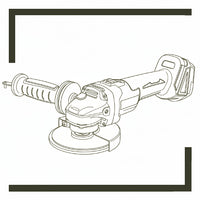
Angle Grinders can handle a range of metal-cutting tasks and are useful for thicker materials. However, they produce sparks and heat, so proper protective equipment and careful handling are essential.
Electric Sheet Metal Cutters offer a more convenient option when you need to make repeated cuts. Their powered operation reduces the effort required compared with manual snips, making them useful for larger projects and regular metalworking tasks. For DIYers and professionals who regularly work with sheet metal, a cordless electric cutter can be a practical addition to the toolbox.
2. What to Consider When Choosing a Sheet Metal Cutter
Before choosing a tool, think about the material and the type of cuts your project requires.
Material Thickness: Check the tool's cutting capacity before getting started. Gauge numbers can be confusing: a lower gauge number generally means thicker sheet metal. Also, cutting capacity can vary depending on the material, so check the manufacturer's specifications rather than relying on gauge alone.
Cutting Direction: Straight cuts are relatively straightforward, but curves and irregular shapes require more control. A cutter with an adjustable or pivoting head can make it easier to change direction while working.
Power Source: If you work in a garage, outdoors, or at different job sites, a cordless cutter gives you more freedom of movement without having to manage a power cord.
3. Tips for Cutting Sheet Metal Safely
A little preparation can help you get better results and avoid unnecessary risks:
Mark your cutting line: Plan the cut before turning on the tool.
Secure the material: Clamp the sheet metal firmly to prevent it from shifting.
Wear protective gear: Safety glasses and cut-resistant gloves help protect against flying debris and sharp edges.
Work carefully: Keep your hands clear of the cutting head and avoid forcing the tool through the material.
If you're looking for a convenient way to handle sheet metal cutting projects, why not take a look at the Ecarke Cordless Sheet Metal Cutter? With a 360-degree pivoting head and a cutting capacity of up to 18-gauge material, it's designed to make different cutting tasks easier and more manageable. Available in versions compatible with Milwaukee 18V and DeWalt 20V batteries, you can choose the one that fits your existing tool platform. (Battery not included.)
We hope these tips help you find the right sheet metal cutter for your next project. Wishing you smooth cuts and successful DIY projects!
