










When temperatures drop, your car needs a little extra attention to stay reliable on the road. Cold weather can affect tire pressure, battery performance, visibility, and overall driving conditions. Whether you're preparing for your daily commute or planning a Thanksgiving road trip, taking a few simple steps now can help you avoid unexpected problems later.
This winter car prep checklist covers the essential maintenance tasks, emergency supplies, and useful tools to keep in your vehicle before the cold weather arrives.
1. Check Your Tires and Tire Pressure
Tire pressure can decrease as temperatures fall, which may affect handling, braking, and fuel efficiency. Check your tire pressure when the tires are cold and compare the reading with the recommended PSI listed on the driver's door-jamb label.
Before winter driving, make sure to:
- Inspect tire tread for wear and damage.
- Check tire pressure regularly and inflate tires as needed.
- Look for cracks, bulges, or objects embedded in the tread.
- Consider winter tires if you regularly drive on snow or ice.
A portable tire inflator is a useful tool to keep in your trunk. The Ecarke cordless tire inflator compatible with DeWalt 20V batteries features a digital pressure gauge and automatic shutoff, making it convenient to check and top up tire pressure when needed. The battery is sold separately, so make sure you have a compatible one available.
2. Inspect Your Car Battery and Essential Fluids
Cold weather can make it harder for a weak car battery to start the engine. If your battery is several years old or you've noticed slow starts, consider having it tested before winter sets in.
It's also a good time to check your engine oil, coolant, and windshield washer fluid. Use fluids that meet your vehicle manufacturer's specifications, and make sure your washer fluid is rated for freezing temperatures. If your wiper blades leave streaks or struggle to clear the windshield, replace them before visibility becomes a problem.
These quick checks can help you catch common maintenance issues before they become inconvenient roadside problems.
3. Keep Visibility and Lighting in Good Condition
Shorter days and longer periods of darkness make visibility especially important during winter. Check your headlights, brake lights, turn signals, and hazard lights to make sure they work properly. Clean your windows and mirrors, and keep an ice scraper and snow brush in the car if you drive in freezing conditions.
A portable work light can also be helpful if you need to inspect a tire or look under the hood in a dim parking area. The Ecarke 48W LED work light for DeWalt 20V batteries offers two brightness settings and a portable cordless design for low-light tasks. Keep in mind that a work light is for visibility during inspections and repairs, not a replacement for your vehicle's road lights.
4. Build a Winter Car Emergency Kit
Even a well-maintained car can experience unexpected delays. Keeping a few essentials in your vehicle can make a cold-weather breakdown or traffic backup easier to manage.
Use this checklist when preparing your emergency kit:
- Warm blanket, gloves, hat, and extra clothing
- Drinking water and non-perishable snacks
- First-aid kit and basic emergency supplies
- Ice scraper and snow brush
- Jumper cables or a suitable jump starter
- Flashlight or portable LED work light
- Phone charging cable and a fully charged power bank
- Reflective warning triangles or other roadside visibility equipment
If you often travel through remote areas or expect long delays, consider adding any region-specific emergency supplies recommended by local transportation authorities.
5. Prepare for Unexpected Power Needs
A dead phone battery can be more than an inconvenience when you need navigation, roadside assistance, or emergency contacts. Before leaving, charge your phone and keep a charging cable in the car.
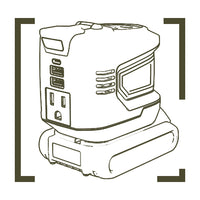
A portable power inverter can provide another way to power compatible small electronics when paired with a suitable battery. For example, the Ecarke 200W portable power inverter compatible with DeWalt 20V batteries offers AC, USB, and USB-C outputs for supported devices. Check the device's power requirements and the inverter's limits before connecting anything. It is not a substitute for a dedicated car jump starter and should not be used to start your vehicle.
Get Ready for a Safer Winter on the Road
Preparing your car for winter doesn't have to be complicated. Checking your tires, battery, fluids, and lights—and keeping a few essential emergency tools in your trunk—can help you feel more prepared for cold-weather driving. Consider adding practical items such as a cordless tire inflator or portable LED work light to your kit, and take a few minutes to review your vehicle before every longer trip. A little preparation now can make winter journeys more manageable and less stressful.
