









A power inverter is one of those devices you don’t think about until you really need it - during a blackout, while traveling, or on camping trips. But choosing the right one for your home is about matching the inverter to your actual needs, safely and efficiently.
Below is a simple guide to help you understand what a power inverter does and how to choose the best one for your home setup.
Understanding What a Power Inverter Is
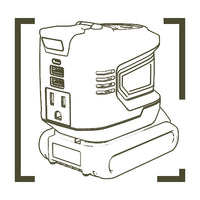
A power inverter is a device that converts DC (direct current) electricity into AC (alternating current) electricity. Most home appliances - like TVs, refrigerators, laptops, and lights - run on AC power. However, batteries store DC power. So, the dc to ac power inverter acts as a bridge between stored energy and usable household electricity. In simple terms, it lets you use battery power like normal wall outlet electricity.
Key Factors to Consider Before Buying a Power Inverter
Power Capacity (Wattage)
This is the most critical factor. You need to calculate the total wattage of all devices you plan to run.
- Low power range (100W - 500W): Best for small devices such as laptops, routers, and phone chargers.
- Medium power range (500W - 2,000W): Suitable for everyday home appliances like TVs, fans, and microwaves.
-
High power range (2,000W+): Designed for heavy-duty equipment, air conditioners, and whole-home backup systems.
Pure Sine Wave vs Modified Sine Wave
- Provides smooth, stable electricity
- Ideal for sensitive electronics such as laptops, medical equipment, and modern appliances
- Higher cost, but strongly recommended for home use
Modified Sine Wave Power Inverter
- More budget-friendly
- Suitable for simple devices like lights, fans, or heaters
- Can create buzzing noises and may shorten the life of sensitive electronics
Battery Compatibility and Runtime
When choosing an inverter, it’s important to check whether it is compatible with your battery type. Using the correct pairing helps ensure better efficiency, safety, and longer system life.
Runtime depends on both the battery capacity and the total load of the devices being powered. A higher-capacity battery or lower power consumption will result in longer operating time. Always match your inverter size with a battery that can comfortably support your expected usage.
Safety Features
A reliable inverter should include:
- Overload protection
- Overheat protection
- Short circuit protection
- Low-voltage shutdown
These features protect both your devices and your battery system.
Conclusion
Choosing a tool-grade cordless inverter for your home is simpler than picking a full home backup system, but it still requires understanding:
What devices you want to power
How much total wattage they draw
Which battery platform you already own
Whether you need pure sine wave output
By matching your inverter to your battery, your devices, and your daily needs, you get portable, safe, and convenient power without the complexity of large home systems.
