








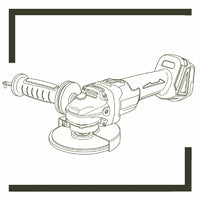

Not all power tools are built the same. One of the biggest differences lies in the type of motor they use: brushed or brushless. While both technologies are designed to power drills, saws, grinders, and other cordless tools, they differ in efficiency, maintenance, battery life, and overall performance. Understanding these differences can help you choose the right power tool for your needs and budget.
What Is a Brushed Motor
A brushed motor is the traditional type of electric motor found in power tools. It uses carbon brushes and a commutator to transfer electricity to the rotating armature. As the motor runs, the brushes maintain physical contact with the commutator, creating the magnetic force that powers the tool.
Pros of Brushed Power Tools
Brushed power tools continue to be popular because they offer several practical benefits:
- Affordable Price: Generally less expensive than brushless models.
- Simple Construction: Easy to manufacture and repair.
- Reliable Performance: Proven technology with years of dependable use.
- Good for Occasional Use: Ideal for homeowners and DIY enthusiasts who don't use tools every day.
Cons of Brushed Power Tools
Despite their advantages, brushed motors also have several limitations:
- Brushes gradually wear out and need replacement.
- Friction between the brushes and commutator generates heat.
- Lower energy efficiency results in shorter battery runtime.
- More maintenance is required over the tool's lifetime.
- Slightly lower power output compared to brushless motors.
- Louder operation due to mechanical contact.
What Is a Brushless Motor
A brushless motor uses electronic controls instead of carbon brushes to deliver electricity to the motor. Sensors continuously monitor the motor's position, allowing the electronic controller to provide power only when needed. Without physical brush contact, brushless motors experience significantly less friction, making them more efficient, powerful, and durable.
Pros of Brushless Power Tools
Brushless tools offer several advantages that make them the preferred choice for professionals:
- Higher Efficiency: Less energy is lost during operation.
- Longer Battery Runtime: More work can be completed on a single charge.
- Greater Power and Torque: Better performance under heavy loads.
- Less Heat Generation: Cooler operation improves motor longevity.
- Minimal Maintenance: No brushes to replace.
- Longer Service Life: Fewer wearing parts extend the lifespan.
- Quieter Operation: Reduced mechanical friction lowers noise levels.
- Smarter Power Management: Electronic controls optimize performance based on the workload.
Cons of Brushless Power Tools
Although brushless motors provide many benefits, there are a few trade-offs:
- Higher initial purchase price.
- More complex electronic components.
- Electronic controller repairs may cost more if damaged.
For professionals and frequent users, however, these disadvantages are often outweighed by the long-term savings in maintenance and productivity.
Which One Should You Choose
The right power tool comes down to your budget, how often you use it, and the type of work you do. Brushed tools offer an affordable solution for occasional DIY projects and light-duty tasks, while brushless tools deliver greater efficiency, longer battery life, and enhanced durability for frequent or professional use.
Our product range includes both brushed and brushless power tools, making it easy to find the right option for your needs. From everyday home repairs to demanding jobsite applications, we provide reliable tools that combine performance, quality, and value. Explore our collection and find the perfect tool for your next project.
Frequently Asked Questions (FAQ)
1. Are brushless power tools more powerful than brushed tools?
Yes. Brushless motors generally produce higher torque and deliver power more efficiently, especially during demanding applications.
2. Are brushed power tools still worth buying?
Absolutely. If you only use power tools occasionally and want a lower-cost option, brushed tools remain a reliable and practical choice.
3. Why are brushless power tools more expensive?
Brushless motors require advanced electronic controllers and more sophisticated manufacturing, which increases their initial cost. However, they often last longer and provide better long-term value.
4. Which is better for cordless power tools?
Brushless motors are generally the better choice for cordless tools because they maximize battery efficiency, deliver more consistent power, and reduce heat generation.
